Early American and Caribbean Teaching and Learning Resources
These are some of the Digital Humanities Projects and online resources that I regularly teach with and learn alongside.
The Worlds of José Antonio Aponte
Research and archival work by Professor of History at Princeton University Ada Ferrer and art historian Linda Rodríguez
José Antonio Aponte was a free man of color, carpenter, artist, and alleged leader of a massive antislavery conspiracy and rebellion in colonial Cuba in 1811-1812. He was the creator of an unusual work of art - a “book of paintings” full of historical and mythical figures, including black kings, emperors, priests, and soldiers - that he showed to and discussed with fellow conspirators. The site provides an annotated version of the trial record of Aponte’s descriptions of the “book of paintings” and the the visual and textual references that connect Aponte’s vision of a black history situated in diasporic and transatlantic past with the possibility of imagining a sovereign future for free and enslaved people of color in colonial Cuba.
Revue des Colonies
Digital Scholarly Edition and Translation of the Revue des Colonies (1834-1842), the first French periodical for and by people of color.
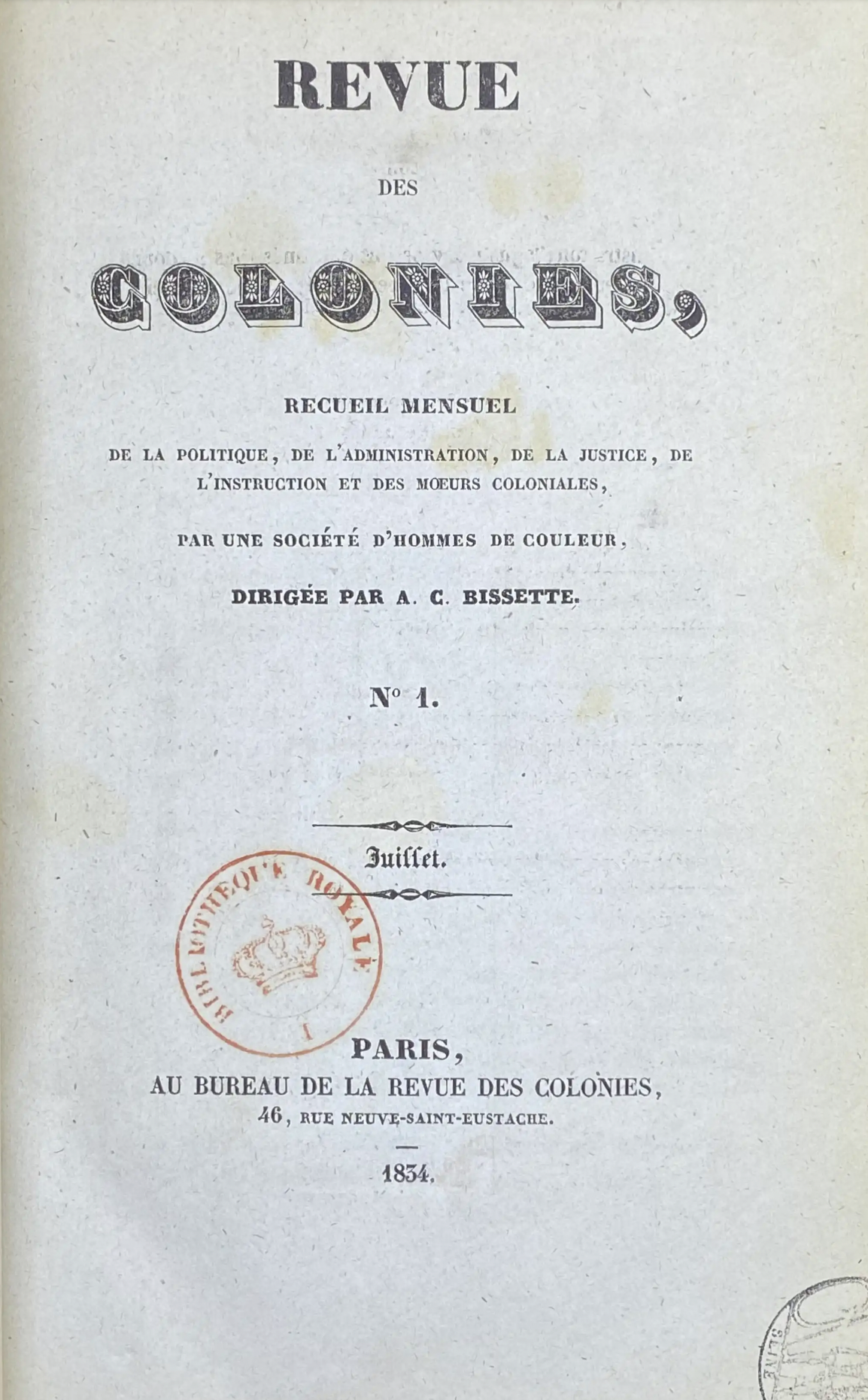
Title page of the first issue of volume 2
Founded in 1834 in Paris by Cyrille Bissette, a Martinican abolitionist, the Revue des Colonies, by its full title Monthly compendium of politics, administration, justice, instruction and colonial customs by a society of men of color, was the first periodical in France to be directed by people of color. The Revue was remarkable, furthermore, for its stated objective to amplify the struggles of disenfranchised people on a global scale and for its circulation spanning not only the territories of the French, British, and Spanish colonial empires but also the United States and Haiti.
The purpose of this project is to preserve the legacy of this remarkable periodical by making it accessible to researchers, students, and interested members of the general public. The open-access bilingual digital edition and its accompanying critical apparatus aim to provide an authoritative text on the Revue, supported by robust scholarship in the range of academic disciplines its contents engage, including the history of transatlantic slavery and its abolition, French and wider European colonial history, international Black literature and culture, and the rise of the periodical press.
The edition's translations and annotations are the work of an international team of researchers, including leading experts in Caribbean studies, colonial history, nineteenth-century literatures and cultures, translation studies, and the history of print media.
The project director for the Digital Edition is Maria Beliaeva Solomon, Assistant Professor of French, University of Maryland.
Just Teach One
A body of publicly available scholarly transcriptions of early texts for the classroom
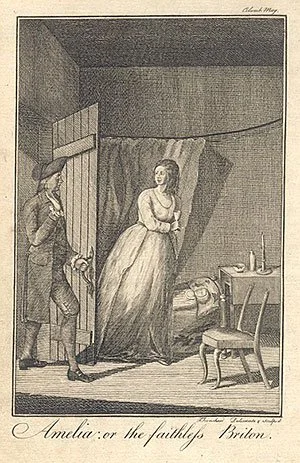
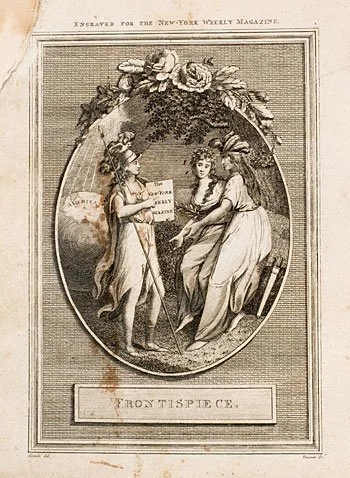
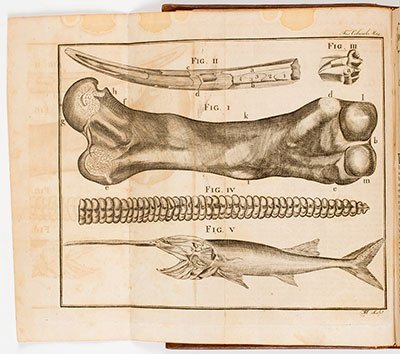
Recovery of neglected or forgotten texts is an integral part of teaching and writing in early American studies, and the current moment is in part defined by the strange blend of opportunities and obstacles for such work. Digital versions of texts are available in ways they never before have been, yet access is uneven and subject to vulnerable library budgets. Furthermore, even when such texts are obtainable, they are difficult to read and almost always lack the textual apparatus so important for the unknown text.
Just Teach One can provide a practical, long-term and cooperative, if still modest, approach to the problem of textual recovery. In an effort to reduce the “risks” of adding new material to a pre-existing course, we have prepared editions of short texts which can be taught in a single class session. In other words, this project initially aims to increase our objects of study while minimizing the labor involved in reconfiguring our syllabi. Our selection of texts is in part motivated by how these recovered artifacts might intersect or complicate our operant sense of familiar objects of study, thus expanding our praxis by thinking about new textual constellations. By providing a platform to foster an ongoing pedagogical conversation about these new materials, we hope the project can serve as a practical laboratory for canonical and archival expansion.
Colonial Networks
Remapping the “Paris” Art World in Haiti/Saint-Domingue
This is a digital decolonial art history project that explores deep, largely unknown connections between Haiti (formerly the French colony of Saint-Domingue) and the Paris art world in the years before and after the French and Haitian Revolutions of the 1780s and 1790s.
Colonial Networks emerged through encounters that the project directors had with French historical maps of Haiti/Saint-Domingue – like this 1786 property map – showing the region around the city of Cap-Français (now Cap-Haïtien). The patchwork of shapes on the map represent the boundaries of plantations, each labeled with the name of the often absentee planter who claimed to own it.
For historians of eighteenth-century French art, the names of the landowners on maps like this surprisingly read like a who’s who of the Paris art world. They reveal the many art collectors, artists, architects, and other art-world figures who directly profited from colonial commerce, resource extraction, and the violence of enslavement.
Colonial Networks is a research project based between New York University and Queen Mary University of London. The project directors are Meredith Martin and Hannah Williams.
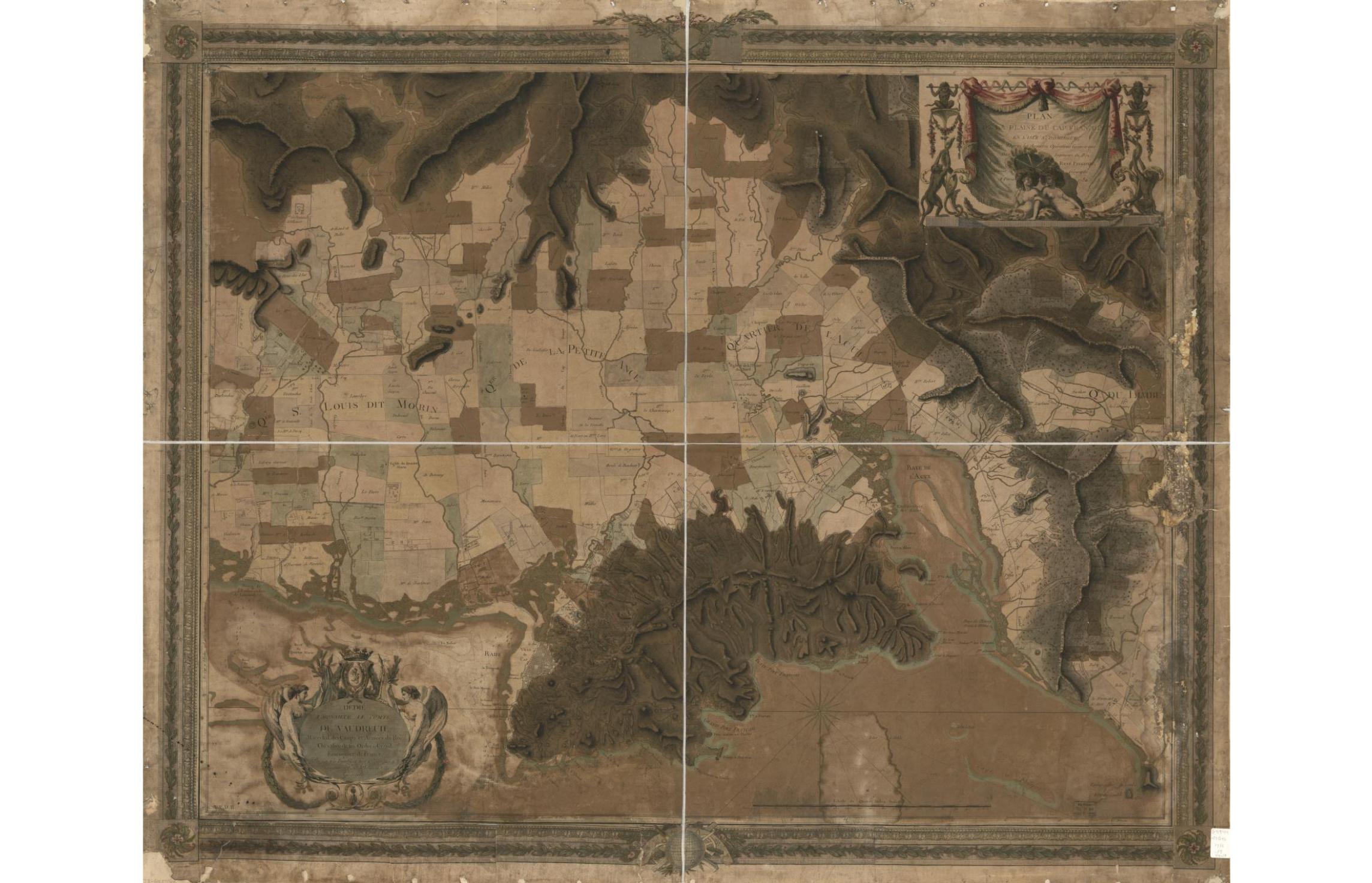
René Phelipeau, Plain of Cap-Français, 1786. Library of Congress.
Slave Voyages
Collected database of the slave trade, including maps, genealogical resources, and visual aids for the classroom and beyond
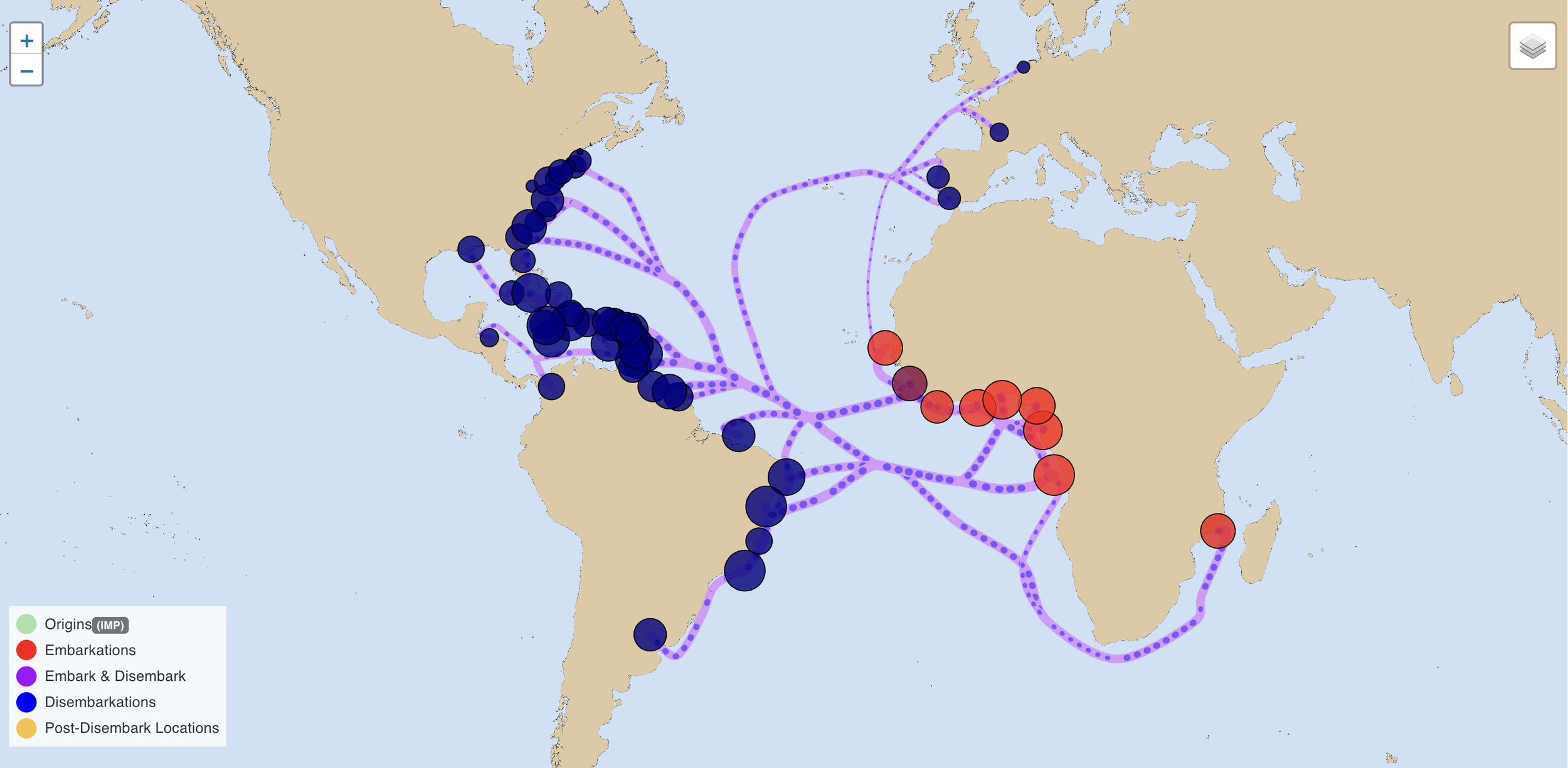
The SlaveVoyages website offers records about the origins and forced transportation of more than twelve million Africans across the Atlantic and within the Americas. This ever-evolving website is the collaborative effort of dozens of researchers working in libraries and archives around the world. The work of several prominent historians, including Herbert S. Klein, David Richardson, David Eltis, and Stephen Behrendt, was foundational to the creation and expansion of the database over a period of decades. In 2008, the Trans-Atlantic Slave Trade Database was first made freely available online, thanks to the efforts of David Eltis in collaboration with a multidisciplinary and international team of scholars, programmers, librarians, and designers.
Further Resources
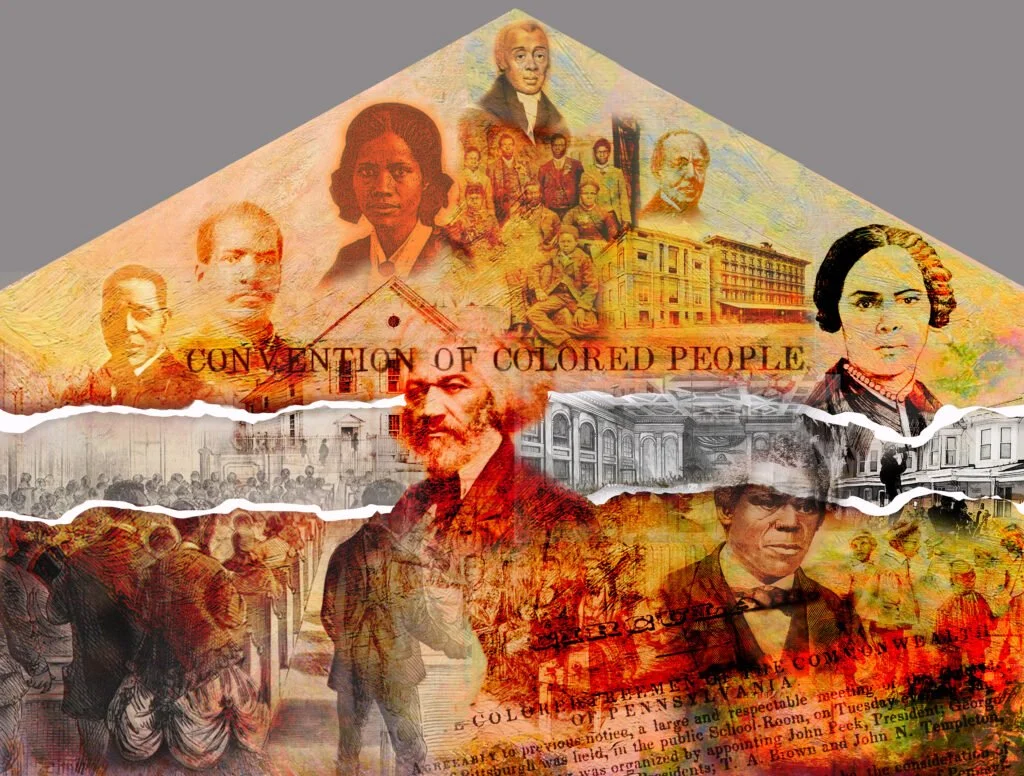
Colored Conventions Project
Scholarly and community research project dedicated to bringing the seven decades-long history of nineteenth-century Black organizing to digital life.
Legacies of British Slavery
Database that compiles thousands of documents that outline the process of the British slave trade and British enslavement in the Caribbean.
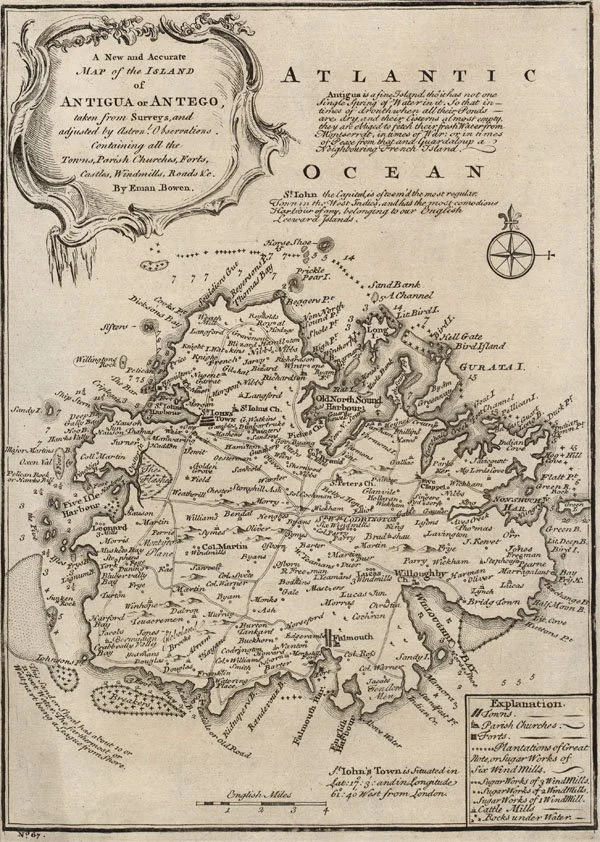
Caribbean Histories Revealed
The history of the British Caribbean is explored in this exhibition through government documents, photographs and maps dating from the 17th century to the 1920s and discovered during a cataloguing project at The National Archives of the United Kingdom.
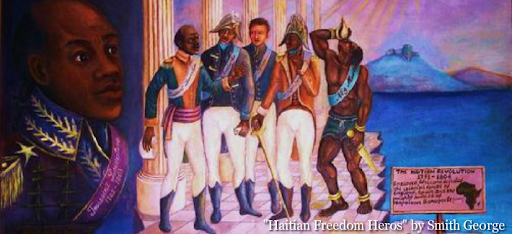
Haitian Revolutionary Fictions
A bibliographic source for literary fictions of the Haitian revolution, curated by Professor Marlene L. Daut. Includes novels, short stories, novellas, short fictional sketches, poetry, and plays.
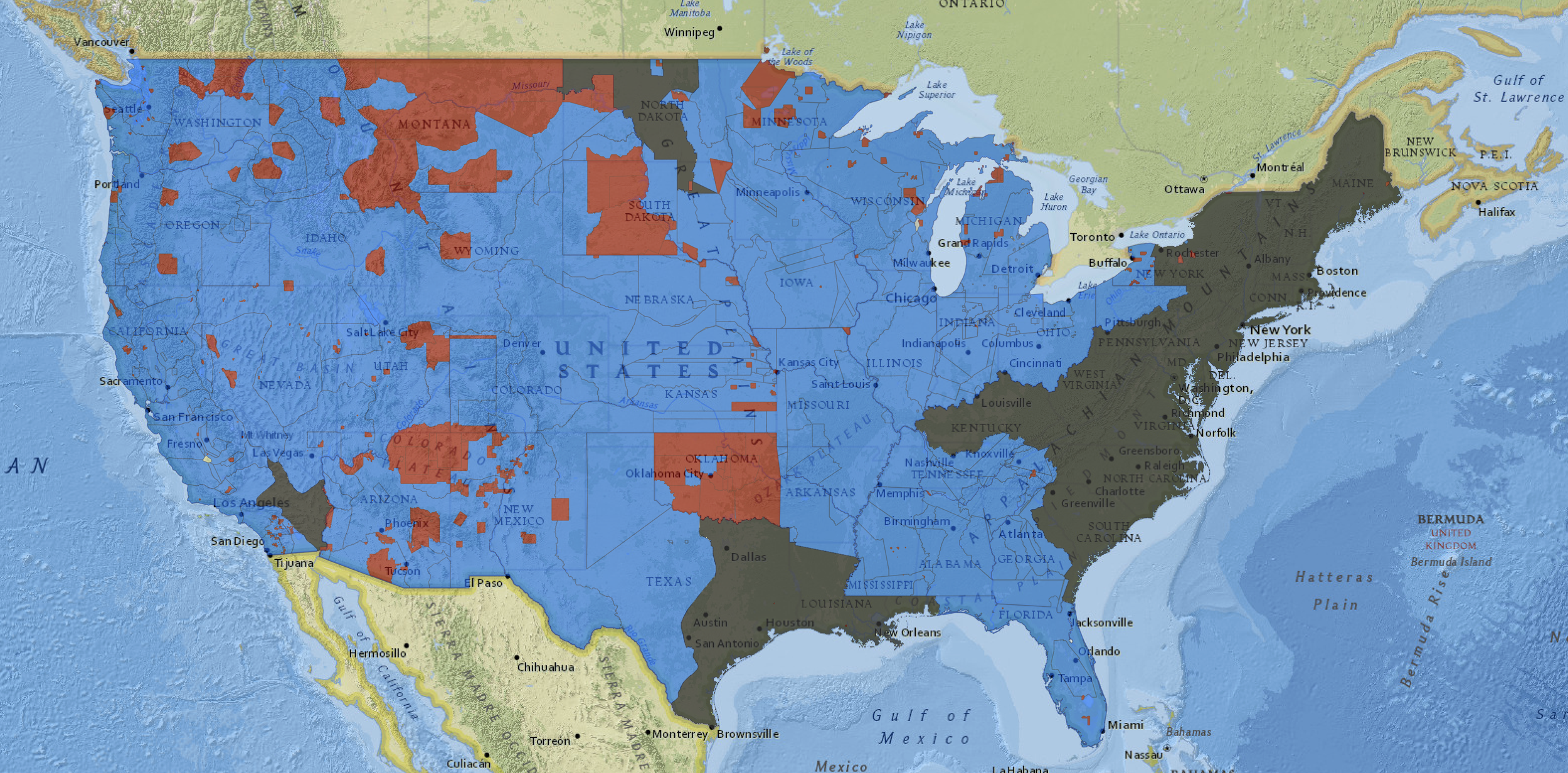
Invasion of America Project
Interactive map that illustrates and displays the process of land appropriation by the United States between 1776 and the present.